Backpacking in the Appalachian Mountains
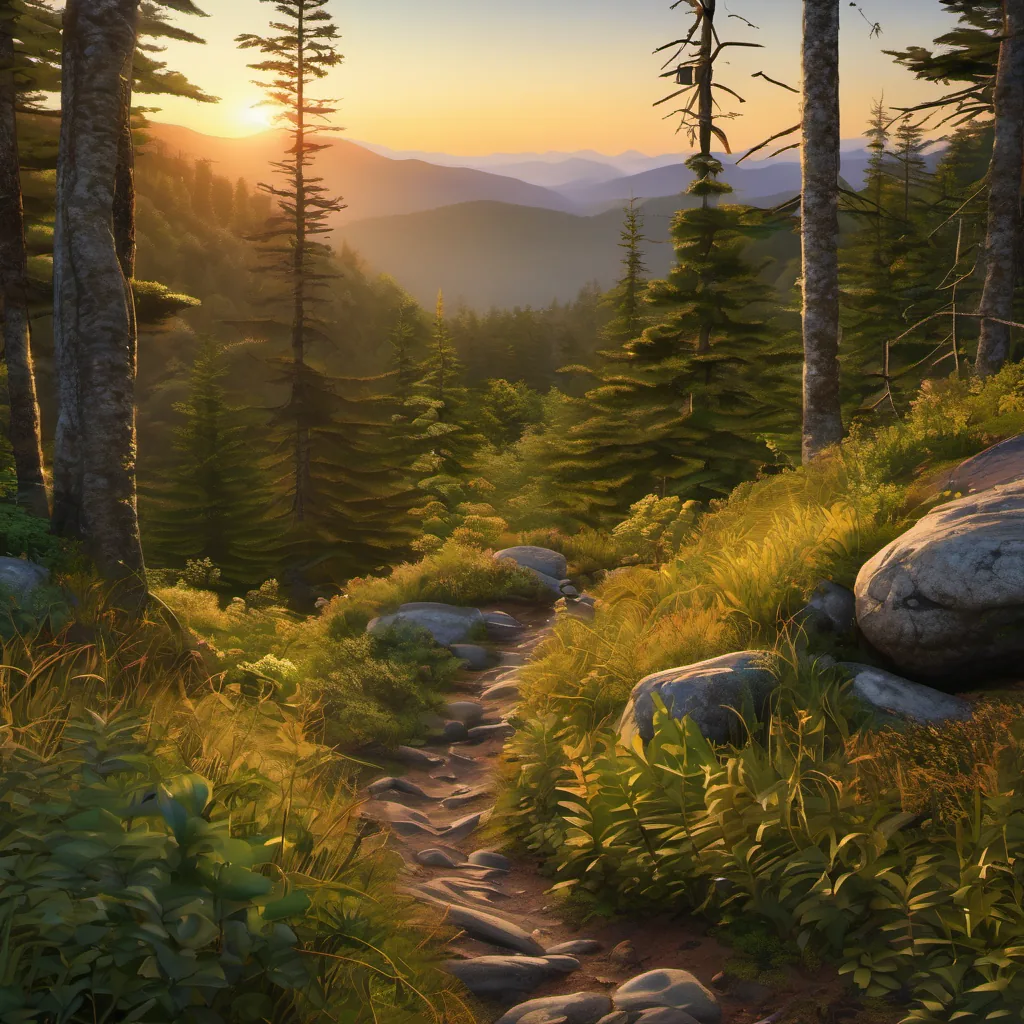
Backpacking in the Appalachian Mountains
The Appalachian Mountains are a haven for outdoor enthusiasts, offering stunning landscapes, diverse wildlife, and a variety of hiking experiences. Among the crown jewels of this region is the Appalachian Trail (AT), which stretches approximately 2,190 miles from Springer Mountain in Georgia to Mount Katahdin in Maine. If you're considering backpacking in this breathtaking area, here's a comprehensive guide to help you prepare.
Planning Your Backpacking Trip
Before you lace up your hiking boots, it's essential to plan your trip effectively. Here are some key points to consider:
Research Your Route
The AT passes through 14 states, including Georgia, North Carolina, Tennessee, Virginia, and Maine. Each section of the trail offers unique challenges and experiences, so it’s important to choose one that aligns with your experience level and time availability. Consider factors such as elevation gain, water availability, and remoteness. For example:
- Clingmans Dome in Great Smoky Mountains National Park is the highest point on the AT at 6,643 feet.
- The Hudson River in New York marks the lowest elevation at approximately 124 feet.
Obtain Necessary Permits
Certain areas along the AT, such as Great Smoky Mountains National Park and Shenandoah National Park, require permits for camping. These parks enforce restrictions on camping locations and group sizes to preserve the environment and ensure visitor safety. To avoid any issues during your trip, be sure to obtain the necessary permits well in advance.
Essential Gear and Supplies
Having the right gear can make or break your backpacking experience. Here’s a checklist of essentials:
Backpack and Shelter
- Backpack: Invest in a lightweight, durable backpack with a capacity of 50 to 70 liters to accommodate all your gear.
- Tent/Shelter: Choose a waterproof tent or shelter to protect you from the elements.
- Sleeping Bag: Ensure your sleeping bag is rated for the expected temperatures during your hike.
Food and Water
- Food: Carry sufficient high-calorie, non-perishable food items. Good options include trail mix, energy bars, and dehydrated meals.
- Water: Water sources along the AT can be unreliable, particularly in drier sections. Always pack a water filter or purification tablets and know how to use them. Be prepared to hike long distances between water sources.
Safety and Navigation
Safety should always be a priority when backpacking. Here are crucial aspects to consider:
Wilderness First Aid
Learn basic wilderness first aid and carry a well-stocked first-aid kit. Include supplies for treating blisters, cuts, and insect bites. Be aware of potential hazards, such as:
- Black Bears: Common throughout the Appalachian Mountains, requiring proper food storage. Store food in bear canisters or hang it at least 10 feet off the ground and 4 feet from any tree trunk.
- Snakes and Ticks: Familiarize yourself with these hazards to minimize risks.
Navigation Tools
- Map & Compass: Always carry a physical map and compass, and know how to use them for navigation.
- GPS Device: A GPS device can be invaluable for navigation. Download offline maps to your phone as a backup.
- Weather Awareness: Stay informed about weather patterns and potential hazards to ensure a safe hiking experience.
Frequently Asked Questions (FAQ)
How long does it take to hike the entire AT?
Backpacking the entire Appalachian Trail typically takes 5 to 7 months to complete. Most thru-hikers start their journey in the spring (March-April) and finish in the fall (September-October).
What is the average cost to thru-hike the AT?
The average cost to complete a thru-hike on the Appalachian Trail ranges from $5,000 to $7,000, depending on individual spending habits and gear choices.
How many people hike the AT each year?
More than 3 million people hike a portion of the Appalachian Trail every year, but only about 1 in 4 who attempt a thru-hike actually complete it.
When was the Appalachian Trail completed?
The idea for the Appalachian Trail was conceived by Benton MacKaye in 1921, with the first section opening in 1922. The entire trail was completed in 1937.
How is the AT marked?
The Appalachian Trail is marked with white blazes, approximately 2 inches wide and 6 inches high, painted on trees and posts to guide hikers along the trail.
Backpacking in the Appalachian Mountains can be an unforgettable experience. With careful planning, the right gear, and a focus on safety, you can fully enjoy the beauty and adventure that this legendary trail has to offer.
Related articles
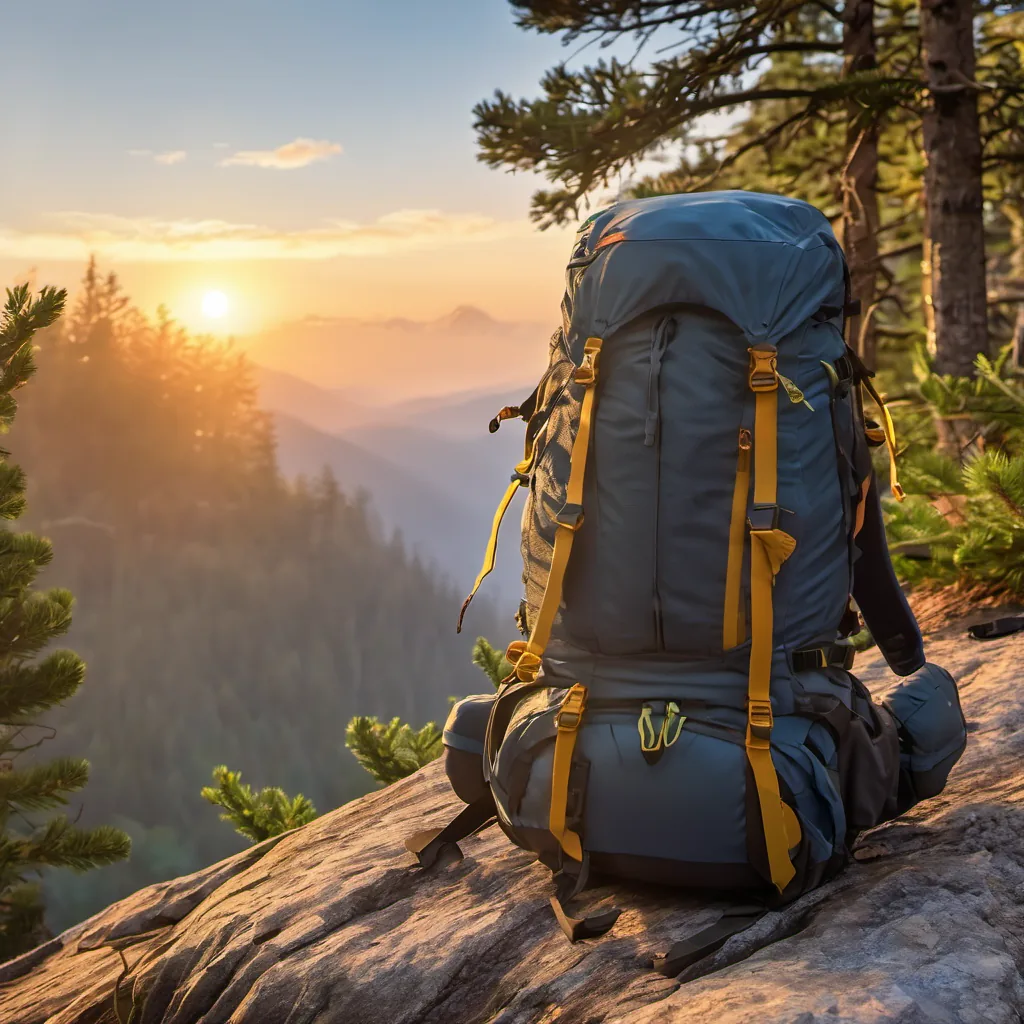
Backpacking Gear for Your Next Adventure
Explore essential backpacking gear for your next adventure, from selecting the right backpack to ensuring proper hydration and shelter. This comprehensive guide covers everything you need to know for a successful backpacking trip.

Essential Gear for Stargazing: What You Need for a Night Under the Stars
Stargazing is one of the most enchanting outdoor adventures you can embark on. Whether you’re a seasoned astronomer or a curious beginner, having the right stargazing gear can elevate your experience under the night sky. In this guide, we’ll explore essential items that will enhance your stargazing experience while helping you navigate light pollution and capture stunning images with nighttime photography.
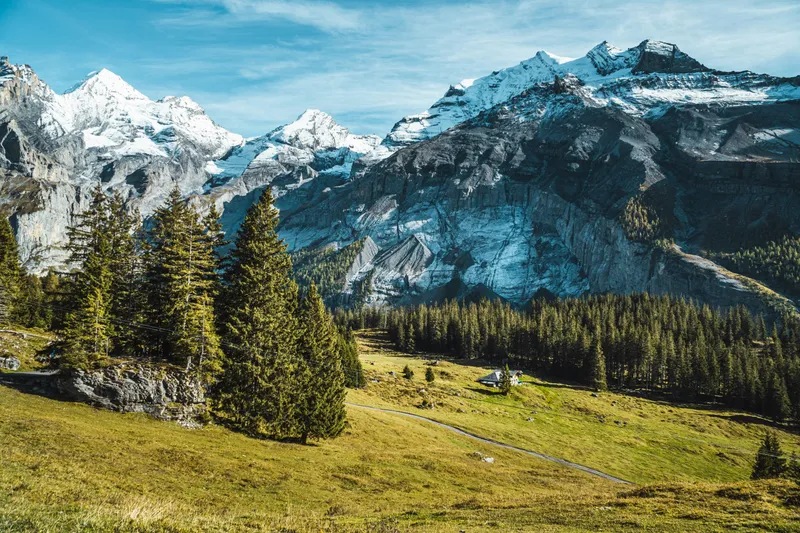
Essential Gear for Mountain Adventures
Embarking on a mountain adventure is one of the most exhilarating experiences a nature lover can have. Whether you're planning a hiking trip, a climbing expedition, or simply exploring the great outdoors, having the right gear is crucial for safety, comfort, and enjoyment. In this article, we will explore the essential equipment you need for an unforgettable outdoor adventure.
Explore these topics
- hiking(138)
- gear(20)
- backpacking(3)