Backpacking Gear for Your Next Adventure
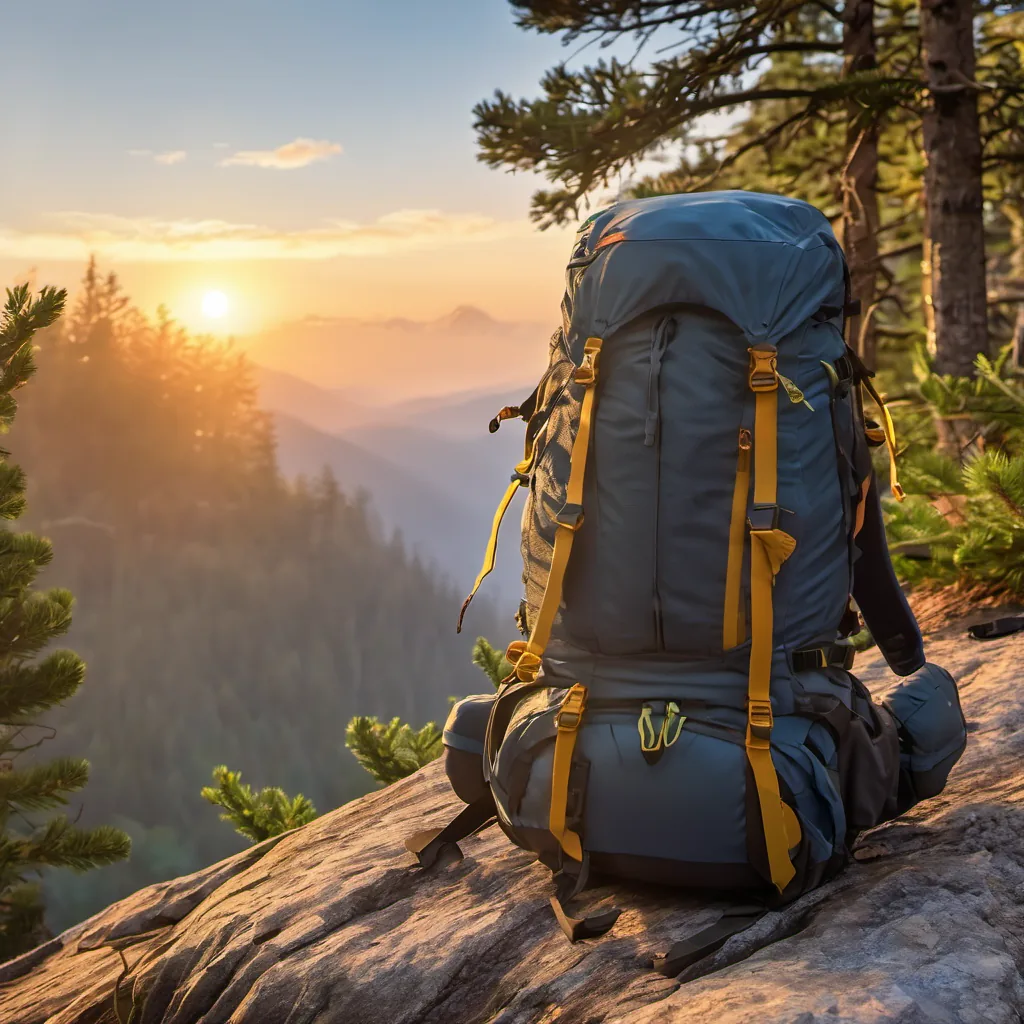
Backpack Selection & Fitting
Choosing the right backpack is one of the most crucial steps in preparing for your backpacking adventure. A properly fitted backpack not only enhances comfort but also helps distribute weight evenly across your hips and shoulders, thereby reducing fatigue on the trail.
-
Measure Your Torso Length: Start by measuring your torso length to determine the correct backpack size. Most retailers offer backpacks in small, medium, and large sizes, ensuring the pack sits properly on your body.
-
Adjust for Comfort: After acquiring your backpack, it’s advisable to visit a retailer for professional fitting. Here, you can adjust the shoulder straps, hip belt, and load lifters for a snug and balanced fit. Such adjustments can significantly impact how the weight is carried, making a lighter load feel easier to manage.
Key Stats on Backpack Weight
The average backpacker carries a pack weighing between 20-40 pounds, depending on trip length and gear choices. Additionally, investing in a high-quality backpack typically ranges from $200 to $500, reflecting its durability and technical features.
Shelter and Sleep System
A good night’s sleep is essential on the trail, and your choice of shelter and sleeping gear plays a significant role in achieving that comfort.
-
Lightweight Tent: Opt for a tent weighing between 2-5 pounds. Look for one with a hydrostatic head rating of at least 1500mm to ensure adequate waterproofing in moderate rain, keeping you dry during unexpected weather.
-
Sleeping Bag Selection: Choose a sleeping bag rated 10-15 degrees Fahrenheit lower than the expected minimum temperature. This provides the necessary insulation for a comfortable sleep, especially in cooler climates. When selecting a sleeping bag, decide between down or synthetic fill types based on moisture conditions and personal preference.
-
Sleeping Pad: Utilize a sleeping pad to enhance your sleep quality. It provides insulation from the cold ground and improves overall comfort. Consider inflatable pads for a balance of weight and packability, or foam pads for added durability.
Cooking and Hydration
Staying fueled and hydrated is vital for maintaining energy levels during your backpacking trip.
-
Lightweight Stove: Pack a lightweight stove capable of boiling 1 liter of water in approximately 3-5 minutes, depending on fuel type and altitude. Consider options like canister stoves, alcohol stoves, or integrated cooking systems for convenience and efficiency.
-
Water Filtration: Carry a water filter or purification tablets that can treat at least 1 liter of water at a time. This ensures access to potable water sources throughout your hike. Be aware of the differences between filters, which remove particulates, and purifiers, which eliminate pathogens.
-
Durable Water Container: Bring a durable water bottle or hydration reservoir with sufficient capacity based on expected water availability. This is essential for staying hydrated, especially on longer hikes.
Food for Energy
Don't forget about meals! Dehydrated backpacking meals typically provide between 500-800 calories per serving, which is crucial for sustaining energy on the trail.
Packing Tips
Utilizing packing cubes can help compress clothing and organize gear within your backpack, saving space and improving accessibility. This strategy is particularly useful for longer trips where maximizing every inch of space is essential to keep your gear organized.
First-Aid Kit Essentials
A well-stocked first-aid kit should include the following essentials to handle common injuries:
- Blister treatment (e.g., Moleskin)
- Pain relievers (e.g., ibuprofen)
- Antiseptic wipes
- Bandages
FAQ
What is the best way to pack my backpack?
Use packing cubes to organize your gear, making items easily accessible. Place heavier items closer to your back and center of gravity to maintain balance.
How do I know if my tent is waterproof enough?
Look for a tent with a hydrostatic head rating of at least 1500mm to ensure adequate waterproofing in moderate rain.
What type of sleeping bag should I choose?
Select a sleeping bag rated 10-15 degrees Fahrenheit lower than the expected minimum temperature for your trip, and decide between down or synthetic fill based on your needs.
How much water should I carry?
It's important to carry enough water for your hike. A durable water bottle or hydration reservoir should hold at least 1 liter of water, depending on the availability of water sources on your route.
What is the average weight of a backpacking tent?
A typical backpacking tent weighs between 2-5 pounds, which influences your overall pack weight and shelter options on your adventure.
Related articles

Backpacking in the Appalachian Mountains
Explore the wonders of backpacking in the Appalachian Mountains, featuring the iconic Appalachian Trail. Learn essential planning, gear, safety tips, and more to make your hiking adventure memorable.
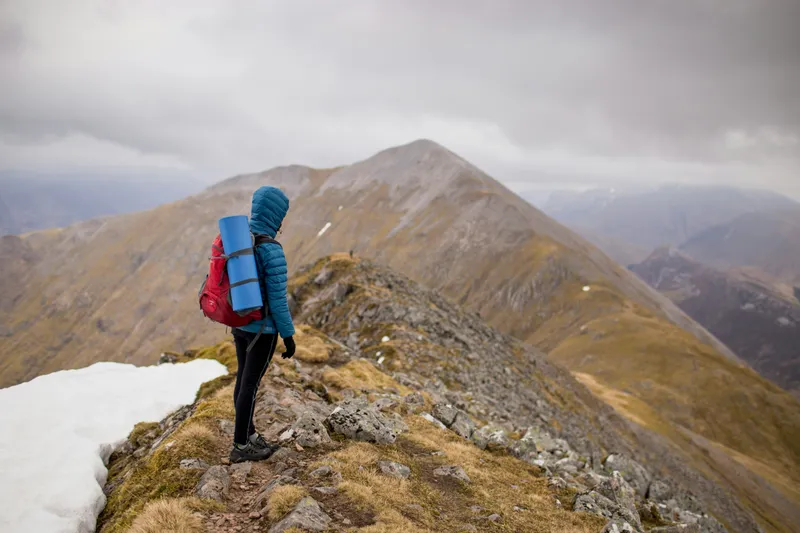
The Best Backpacks for Mountain Adventures
When it comes to mountain hiking , having the right backpack can significantly enhance your experience. Whether you're a seasoned mountaineer or a beginner looking for your next adventure, choosing the right outdoor gear is crucial. In this article, we’ll explore some of the best backpacks tailored for female adventurers and anyone looking to conquer the great outdoors. !

Essential Gear for Stargazing: What You Need for a Night Under the Stars
Stargazing is one of the most enchanting outdoor adventures you can embark on. Whether you’re a seasoned astronomer or a curious beginner, having the right stargazing gear can elevate your experience under the night sky. In this guide, we’ll explore essential items that will enhance your stargazing experience while helping you navigate light pollution and capture stunning images with nighttime photography.
Explore these topics
- gear(20)
- backpacking(3)