Wildlife Tours in the African Savanna
Wildlife Tours in the African Savanna
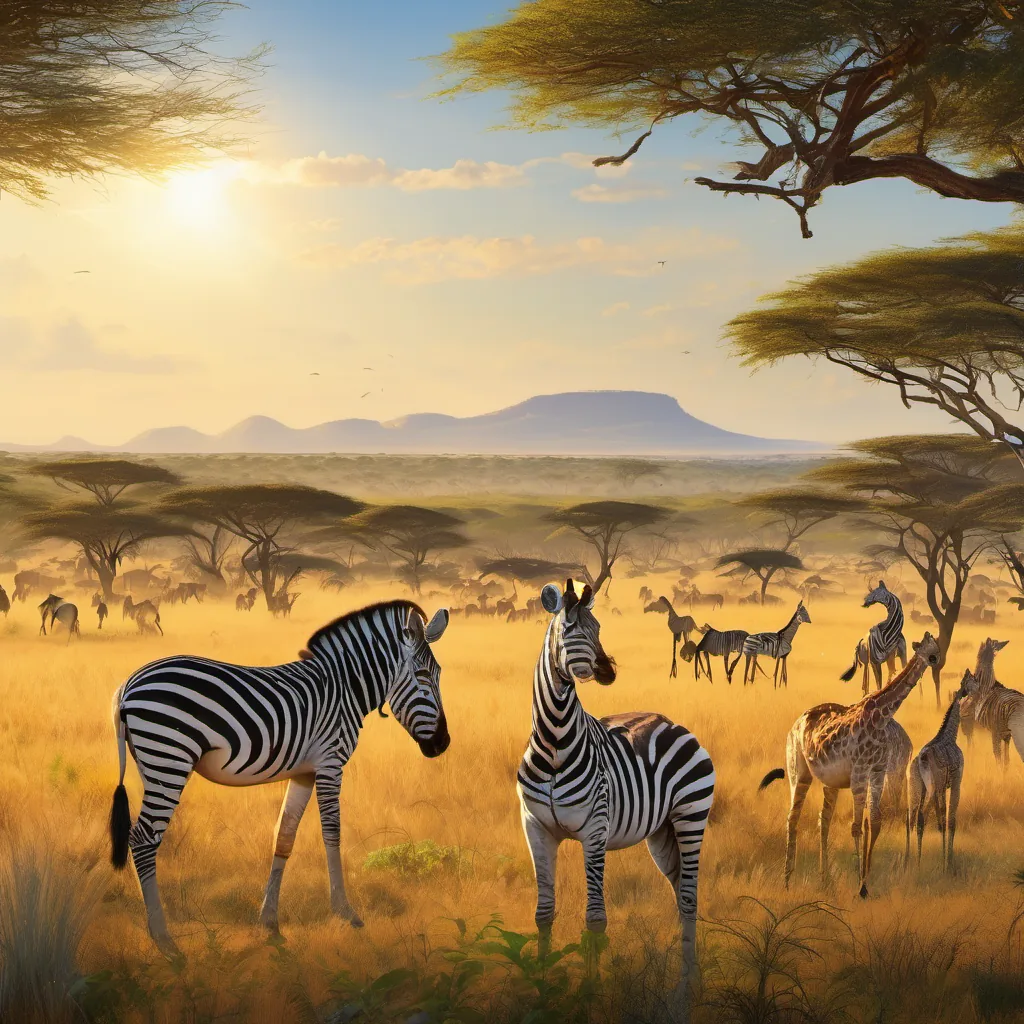
The African savanna, a vast landscape covering approximately 5 million square miles, is home to some of the most iconic wildlife on the planet. From the majestic elephants roaming the plains to the exhilarating Great Migration, where over 1.5 million wildebeest, zebras, and gazelles traverse the Serengeti and Masai Mara ecosystems, wildlife tours in this region offer an unforgettable experience. This blog will guide you through planning your safari, the types of experiences available, and the importance of responsible tourism.
Planning Your Safari
Choose the Right Time of Year
Timing can make all the difference in your safari experience. The African savanna experiences two main seasons:
-
Dry Season (June-October): This is the best time for wildlife viewing. Water sources become scarce, causing animals to congregate around remaining waterholes. Vegetation is shorter during this period, making it easier to spot wildlife. The Great Migration peaks between July and October, offering a breathtaking spectacle as herds cross rivers in search of greener pastures.
-
Green Season (November-May): This period brings lush landscapes and a plethora of migratory birds, making it ideal for birdwatching. However, wildlife can be more dispersed as water is more abundant.
Select a Reputable Tour Operator
Choosing the right tour operator is crucial for a fulfilling safari experience. Here are some tips to help you select a reputable company:
- Experience Matters: Look for operators with knowledgeable guides who have a deep understanding of the local ecosystem and wildlife behavior.
- Sustainable Practices: Ensure the company follows responsible tourism practices, prioritizing conservation and community support.
- Positive Reviews and Certifications: Research reviews online and check for affiliations with conservation organizations to ensure you’re making a responsible choice.
Types of Safari Experiences
Experiencing the African savanna can take many forms. Here are some popular safari experiences:
Game Drives
Game drives are the most common way to explore the savanna. Typically conducted in a 4x4 vehicle, such as a Land Cruiser or Land Rover designed for rough terrain, these drives allow you to cover large areas. Usually accommodating 6-9 passengers, game drives are led by knowledgeable guides who can spot wildlife and share insights about the ecosystem. Morning and afternoon drives are common, providing opportunities to witness the savanna come alive at different times of the day.
Walking Safaris
For a more immersive experience, consider a walking safari. These guided walks last between 2-4 hours and allow participants to track animals and learn about the savanna's ecology firsthand. Led by experienced guides, walking safaris offer insights into tracking animals, identifying plants, and appreciating the smaller details of the environment, requiring a moderate fitness level. This intimate connection with nature is a highlight for many adventurers.
Wildlife Highlights
The Big Five
Many tours focus on the legendary Big Five: lions, leopards, elephants, rhinoceroses, and African buffalo. Observing these iconic species in their natural habitat is a once-in-a-lifetime experience. The black rhino population in Africa is estimated to be around 6,487 individuals as of 2022, making sightings rare and special.
Night Drives
For those seeking something unique, night drives offer the opportunity to see nocturnal animals such as leopards, hyenas, and bushbabies. These drives typically utilize spotlights and thermal cameras, enhancing the chances of spotting elusive wildlife that is rarely active during the day.
Community-Based Tourism
Engaging with local communities is an essential aspect of responsible tourism. Many tours offer opportunities to interact with the Maasai or Samburu communities, allowing visitors to learn about their culture and traditions. Activities can range from village visits to craft workshops, creating a deeper understanding of the region while supporting sustainable tourism practices.
Responsible Tourism
As travelers, it's our responsibility to engage in practices that protect the environment and support local communities. Here are some guidelines to follow:
Respect Wildlife
- Maintain Distance: Always observe animals from a safe distance. Avoid feeding or approaching them to minimize disturbance.
- Follow Your Guide's Instructions: Guides are trained to ensure both your safety and the well-being of the wildlife.
Support Local Communities
- Choose Local Guides: Opt for tour operators that employ local guides, ensuring that your visit contributes to the community.
- Purchase Local Crafts: Buying crafts and souvenirs directly from artisans helps support local economies and preserves cultural heritage.
FAQs
What is the best time to go on a wildlife tour in the African savanna?
The best time for wildlife viewing is during the dry season from June to October, especially if you want to witness the Great Migration.
What is the Great Migration?
The Great Migration is a natural event where over 1.5 million wildebeest, zebras, and gazelles migrate across the Serengeti and Masai Mara ecosystems, peaking between July and October.
What are the Big Five animals?
The Big Five refers to lions, leopards, elephants, rhinoceroses, and African buffalo, known for their popularity among safari-goers.
How long do walking safaris typically last?
Walking safaris generally last between 2 to 4 hours, providing an immersive experience in the savanna.
What are the average costs of luxury safari camps?
Luxury safari camps can range from $500 to $2000+ per person per night, offering amenities such as private plunge pools and gourmet meals.
Conclusion
Wildlife tours in the African savanna offer unparalleled experiences, from witnessing the Great Migration to exploring the ecosystem on foot. By choosing the right time of year, selecting reputable tour operators, and engaging in responsible tourism practices, you can ensure a memorable adventure that supports wildlife conservation and local communities. Whether you’re drawn to the thrill of spotting the Big Five or the serenity of a walking safari, the savanna awaits your exploration!
Related articles
Wildlife Tours in the Canadian Rockies: An Unforgettable Experience
Solo Travel in South America: A Comprehensive Guide
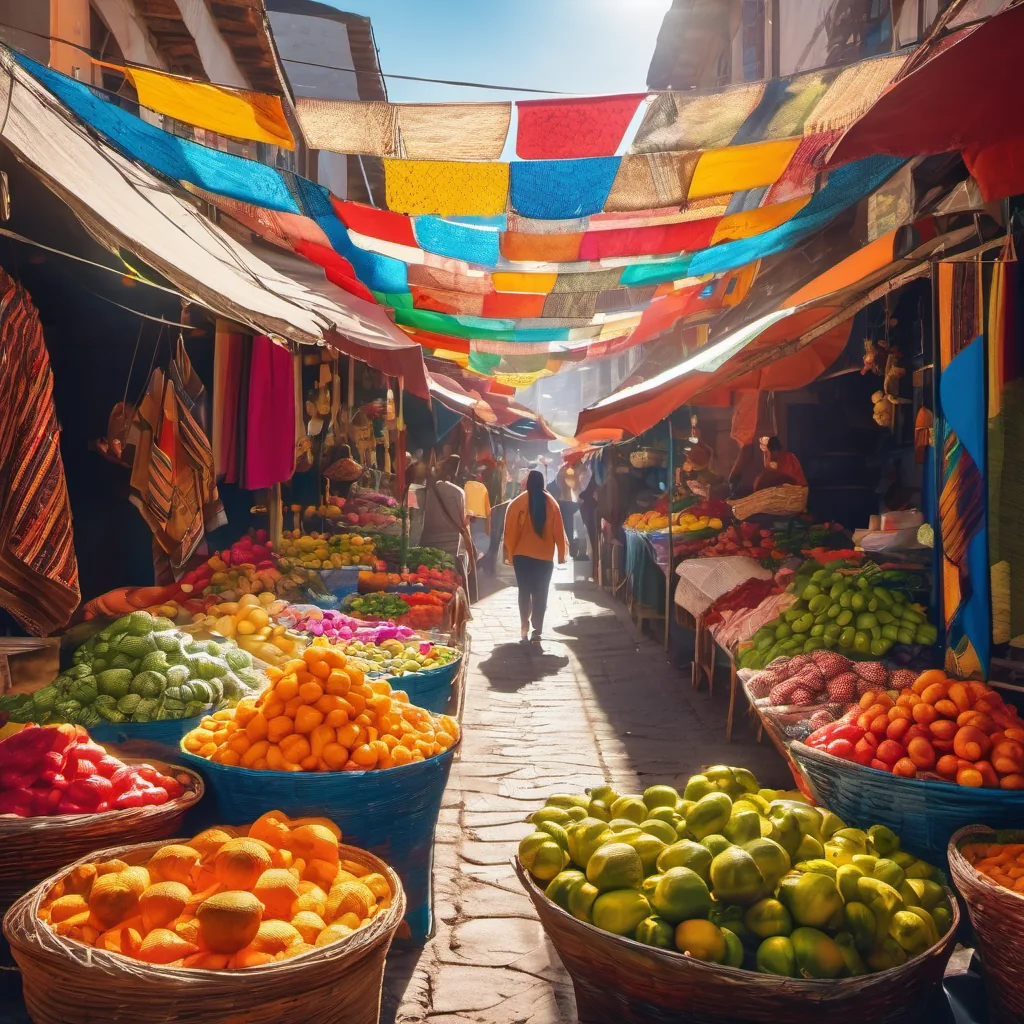
Solo travel in South America offers a unique opportunity to explore diverse cultures and breathtaking landscapes. This guide provides essential tips on safety, budgeting, and must-see experiences for your journey.
Essential Gear for Adventuring with Your Dog
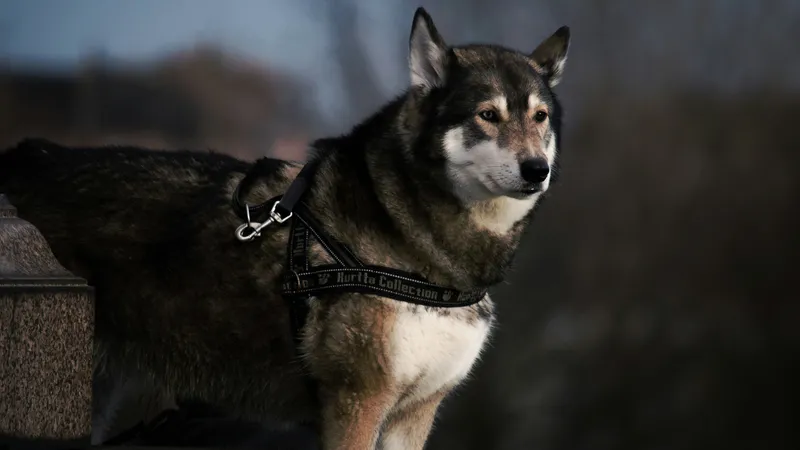
Adventuring with your canine companion is one of the most rewarding experiences for both you and your furry friend. Whether you're hiking with dogs through lush forests or exploring rugged terrains, having the right outdoor gear is essential for a safe and enjoyable experience. In this article, we’ll discuss the essential gear you need to make the most of your adventures together. !