Wildlife Photography in the Amazon Rainforest
Wildlife Photography in the Amazon Rainforest
The Amazon rainforest, covering approximately 2.72 million square miles, is a treasure trove for wildlife photographers. Home to an estimated 40,000 plant species, 1,300 bird species, 3,000 types of fish, 430 mammals, and 378 reptiles, this region is rich in biodiversity, encompassing roughly 10% of the world's known species. Capturing the vibrant life of this ecosystem requires not only skill but also careful planning and a deep respect for the environment.
Planning Your Trip
Before embarking on your photography adventure in the Amazon, thorough planning is essential. This preparation can significantly enhance your experience and success in capturing stunning wildlife images.
- Research Reputable Tour Operators: Look for operators specializing in wildlife photography. Some offer specialized jaguar photography tours, increasing your chances of capturing this elusive big cat in its natural habitat.
- Obtain Necessary Permits and Vaccinations: Ensure you have the required permits and vaccinations, including yellow fever and malaria prophylaxis. It's advisable to secure these at least two months before your departure to ensure proper coverage.
Essential Gear
Bringing the right equipment is crucial for successful wildlife photography. The right tools can make a significant difference in your ability to capture the beauty of the Amazon.
- Camera Lenses: A versatile zoom lens (such as 100-400mm) is ideal for capturing wildlife from a distance. Additionally, a macro lens is essential for photographing insects and amphibians that thrive in the rainforest.
- Clothing and Protection: Pack moisture-wicking clothing and rain gear. Given the humid and often rainy conditions of the rainforest, waterproof bags to protect your equipment are a must.
Photographing Wildlife
When it comes to wildlife photography, timing and technique are key elements that can influence the outcome of your shots. Understanding the behavior of the animals you wish to photograph will also enhance your success.
- Optimal Lighting: Early morning and late afternoon provide the best light for photography. During these hours, animals are often more active, increasing your chances of capturing stunning images.
- Patience and Stealth: Wildlife photography often requires extended periods of waiting. Practicing patience and stealth allows you to capture the perfect shot without disturbing the animals.
The Jaguar Quest
Photographing jaguars in the Amazon is an adventure that demands both patience and expertise. Guides often utilize camera traps or embark on boat trips along rivers like the Rio Negro. The dry season, from June to November, is particularly advantageous when water levels are lower, allowing for better visibility of these majestic creatures as they venture closer to the riverbanks.
Vibrant Avian Life
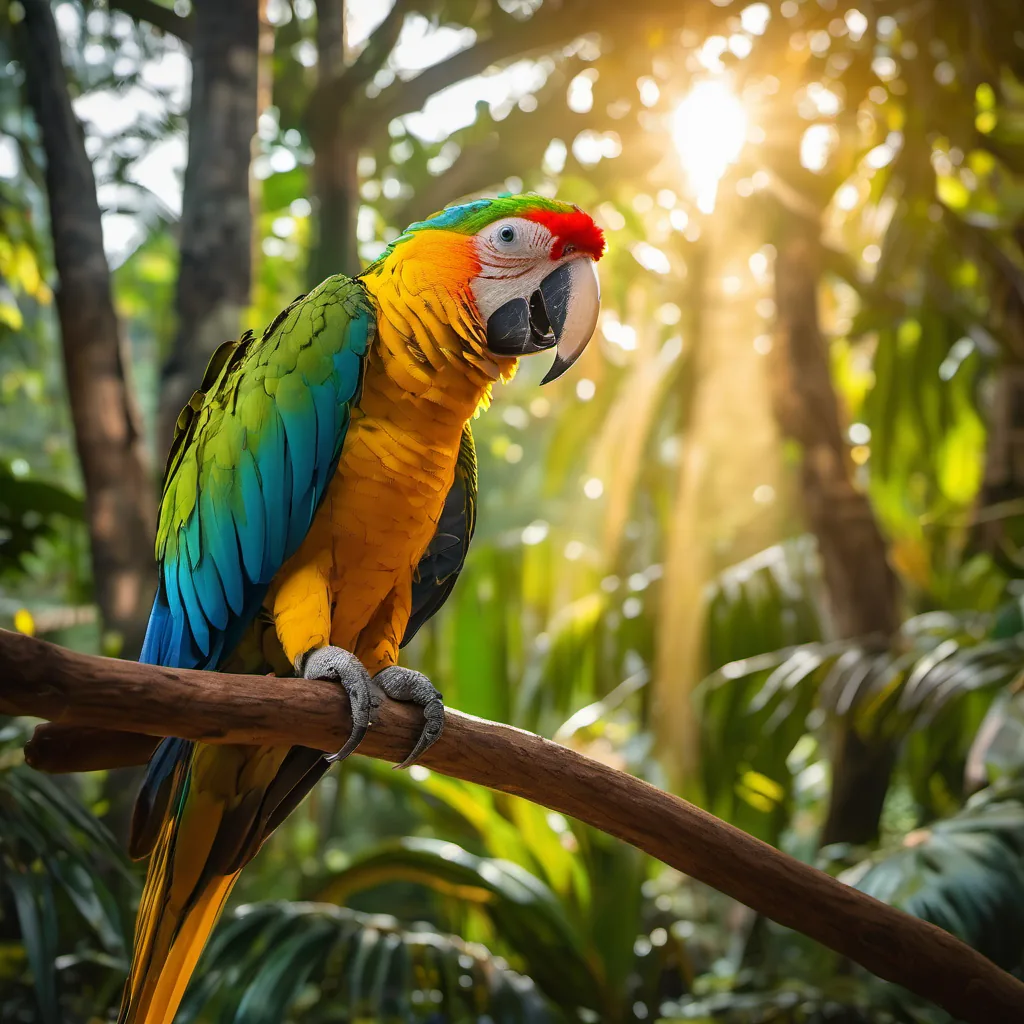
To capture images of macaws and parrots, seek out clay licks (collpas) where these birds congregate to ingest minerals. Typically, early mornings yield the most fruitful opportunities, as the lighting is ideal and the birds are very active. Notably, Tambopata National Reserve in Peru is renowned for hosting over 600 bird species, making it one of the best locations for photographing these colorful creatures.
Macro Photography: Insects and Amphibians
The rainforest floor is a bustling hub for insects and amphibians, particularly after rainfall when many species emerge. Utilizing macro lenses allows you to capture the intricate details of these fascinating creatures. Exploring the forest floor can reveal a world of textures and colors that would otherwise be missed, providing a unique perspective on the rainforest's biodiversity.
The Green Anaconda
Among the many fascinating inhabitants of the Amazon is the green anaconda, the world's largest snake, capable of growing over 29 feet long and weighing over 550 pounds. While photographing such a magnificent creature can be exhilarating, it is essential to do so ethically and safely, ensuring that the animal's well-being is prioritized.
Ethical Considerations
When photographing wildlife, ethical considerations are paramount. Following these guidelines can help protect the animals and their habitat:
- Avoid Disturbing Wildlife: Always prioritize the well-being of the animals. Disturbing their natural behavior can have negative impacts on their health and the ecosystem.
- Stay on Marked Trails: This practice protects both you and the wildlife. Venturing off-trail can damage delicate habitats and put you at risk.
- Respect Local Communities: Engage with local communities and respect their knowledge and customs. Some indigenous guides offer specialized photography tours that can enhance your experience and understanding of the region.
Best Time to Photograph the Amazon
The best time to photograph the Amazon depends on what you hope to capture. Understanding the seasonal variations can help you plan your trip effectively:
- Dry Season (June-November): Ideal for wildlife along the rivers, as water levels are lower and animals are more visible.
- Wet Season (December-May): Perfect for lush landscapes and increased amphibian activity, providing a different perspective of the rainforest.
Conclusion
Wildlife photography in the Amazon rainforest is a rewarding yet challenging endeavor. From the elusive jaguar to the vibrant macaws and the intricate world of insects, each moment offers a unique opportunity to connect with nature. With careful planning, the right gear, and an ethical approach, you can capture the breathtaking beauty of this unparalleled ecosystem.
FAQ
Q: What is the best time to visit the Amazon for wildlife photography?
A: The dry season from June to November is best for spotting wildlife along rivers, while the wet season from December to May offers lush landscapes and increased amphibian activity.
Q: Do I need special permits for wildlife photography in the Amazon?
A: Yes, it’s important to obtain necessary permits and vaccinations, including yellow fever and malaria prophylaxis, before your trip.
Q: Can I photograph jaguars in the wild?
A: Yes, with the help of experienced guides who often use camera traps and boat trips along rivers during the dry season, you can increase your chances of capturing jaguars in their natural habitat.
Q: What gear is essential for wildlife photography in the Amazon?
A: A versatile zoom lens (like 100-400mm) and a macro lens for insects and amphibians are essential. Additionally, moisture-wicking clothing and waterproof bags for equipment are recommended.
Related articles
Essential Gear for Mountain Adventures
Embarking on a mountain adventure requires not only a spirit of exploration but also the right outdoor gear to ensure safety, comfort, and enjoyment. Whether you are planning a weekend hike or a longer expedition, having the right equipment is crucial. In this article, we will explore the essential gear you need for a successful mountain outing, and we'll touch upon some tips for wildlife photography along the way.
Essential Gear for Wildlife Photography: Capturing the Perfect Moment
Wildlife photography is an exhilarating form of nature exploration that demands not only a keen eye but also the right outdoor gear. Whether you're a seasoned photographer or just starting your journey in the wild, having the right photography equipment can make all the difference in capturing that perfect moment. In this article, we will explore the essential gear required for wildlife photography and how it can enhance your adventures.
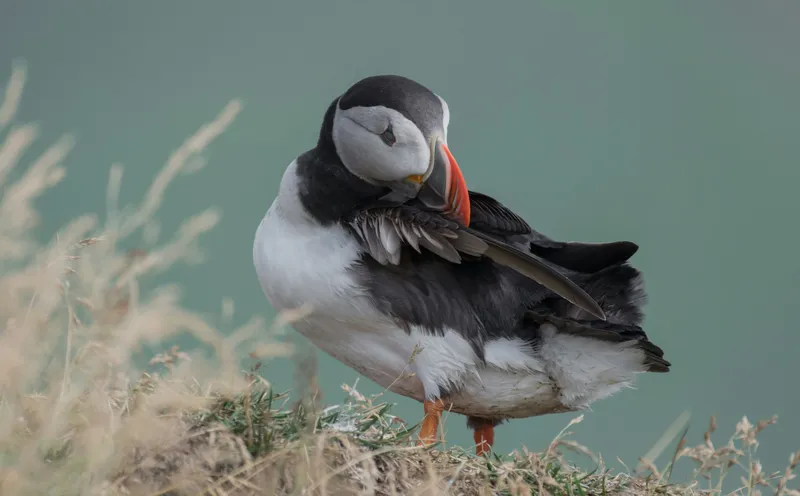
Essential Gear for Puffin Watching Adventures in Iceland
If you're planning an unforgettable trip to Iceland to witness the captivating beauty of puffin watching , preparing the right outdoor gear is crucial for an enjoyable experience. Puffins, often dubbed the "clowns of the sea," are not only a delight to observe but also a photographer's dream due to their vibrant colors and unique characteristics. Here’s a detailed guide on the essential gear you'll need for a successful puffin watching adventure in Iceland.