Eco-Tourism in Costa Rica: A Sustainable Paradise
Introduction
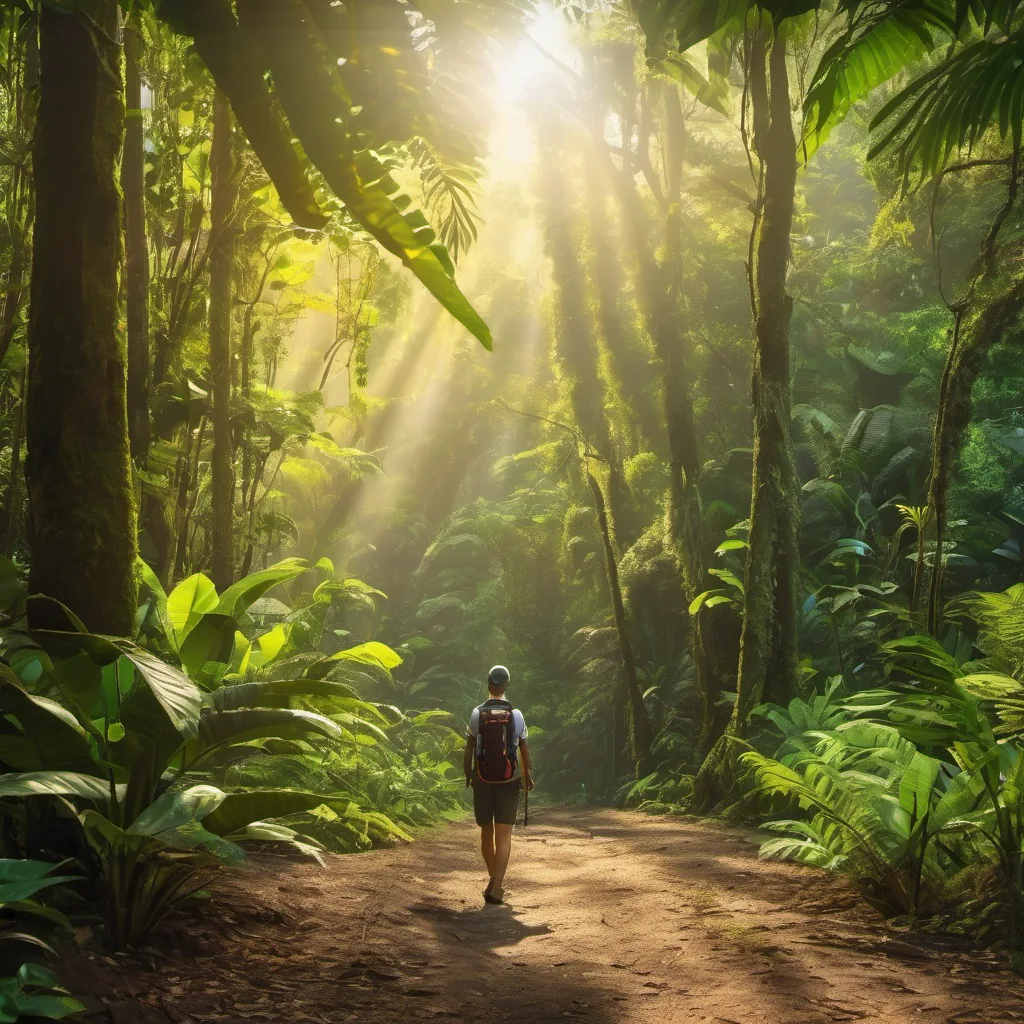
Costa Rica, often hailed as a paradise for eco-tourists, is a country that prioritizes sustainability and conservation. With its breathtaking landscapes and rich biodiversity, it has become a leading destination for travelers seeking to experience nature while minimizing their environmental footprint.
Sustainable Accommodations
Eco-lodges in Costa Rica stand at the forefront of sustainable hospitality, embodying the country’s commitment to environmental stewardship. These accommodations utilize renewable energy sources, such as solar panels, to power their facilities, significantly reducing their carbon footprint.
Renewable Energy Practices
The eco-lodges employ a variety of renewable energy practices that enhance their sustainability efforts:
- Solar Power: Many eco-lodges harness solar energy to power lights, hot water systems, and other electrical needs.
- Water Conservation: Practices like rainwater harvesting and greywater recycling are common, ensuring that water is used efficiently and responsibly.
- Local Sourcing: These lodges prioritize sourcing food and materials locally, which not only supports local farmers and businesses but also cuts down on transportation emissions, further enhancing sustainability.
Notable Eco-Lodges
Below are some notable eco-lodges that exemplify sustainable practices in Costa Rica:
| Eco-Lodge Name | Location | Key Features |
|---|---|---|
| Lapa Rios Lodge | Osa Peninsula | 100% solar-powered, local food sourcing |
| Monteverde Inn | Monteverde | Rainwater harvesting, organic gardens |
| Finca Rosa Blanca | Alajuela | Coffee plantation tours, community engagement |
Eco-Adventure Activities
To truly appreciate Costa Rica's natural beauty, engaging in eco-adventure activities is essential. From ziplining through treetops to navigating whitewater rapids, these experiences are designed to minimize environmental impact while providing thrilling adventures.
Ziplining
- Rainforest Canopy: Ziplining allows visitors to soar through the rainforest canopy, offering a unique perspective of the ecosystem while minimizing ground disturbance.
Whitewater Rafting
- Pacuare River: Often cited as one of the best rafting rivers in the world, the Pacuare River winds through lush landscapes, providing adventure and opportunities to support river conservation efforts.
Guided Nature Walks
- Education and Conservation: Guided walks in national parks, such as Corcovado National Park—home to an estimated 2.5% of the world’s biodiversity—educate visitors about local flora and fauna and promote responsible tourism practices.
Community-Based Tourism
In addition to eco-adventure activities, community-based tourism initiatives in Costa Rica empower local communities while preserving cultural heritage. These initiatives ensure that tourism benefits the people who live in these stunning areas.
Homestays
- Immersive Experiences: Staying with local families allows travelers to gain firsthand insight into Costa Rican culture, cuisine, and daily life while simultaneously providing economic support to these families.
Guided Tours by Locals
- Cultural Insights: Local experts lead tours that delve into the region's history, culture, and natural environment, offering authentic experiences that mainstream tourism often overlooks.
Supporting Local Artisans
- Craft Preservation: By purchasing from local artisans, travelers help preserve traditional crafts and support sustainable livelihoods in the community.
Conclusion
Costa Rica's commitment to eco-tourism is evident in its sustainable practices, diverse ecosystems, and community empowerment initiatives. As travelers increasingly seek destinations that prioritize environmental responsibility, Costa Rica stands out as a model for how tourism can be both enjoyable and sustainable. By engaging in eco-tourism activities, visitors not only experience the beauty of the country but also contribute to its conservation efforts.
FAQ
Q: What percentage of Costa Rica's electricity comes from renewable sources?
A: As of 2023, Costa Rica generates over 98% of its electricity from renewable sources.
Q: How much of Costa Rica's land is designated as national parks?
A: Approximately 25% of Costa Rica's land area is covered by national parks and reserves.
Q: What is the biodiversity significance of Corcovado National Park?
A: Corcovado National Park is home to an estimated 2.5% of the world's biodiversity.
Q: How many species of birds can be found in the Monteverde Cloud Forest Reserve?
A: The Monteverde Cloud Forest Reserve is home to over 400 species of birds.
Q: What is the length of the Arenal Hanging Bridges?
A: The Arenal Hanging Bridges span up to 984 feet (300 meters) in length, providing stunning views of the rainforest canopy.
Related articles
Essential Gear for Exploring Coastal Landscapes
Exploring the breathtaking coastal landscapes is an adventure like no other. Whether you’re walking along the beach, hiking coastal trails, or engaging in various beach activities , having the right outdoor gear is crucial for a safe and enjoyable experience. This article will guide you through the essential gear needed for a successful nature adventure along the coast.

Essential Gear for Wildlife Watching: Equipment for the Best Experience
If you're an outdoor enthusiast or an adventure seeker, there's nothing quite like the thrill of observing wildlife in its natural habitat. Whether you’re into birdwatching , hiking through lush forests, or embarking on an eco-tourism journey, having the right gear can significantly enhance your experience. In this article, we’ll explore the essential gear for wildlife watching that will help you connect with nature while ensuring a memorable outing.
Essential Gear for Exploring Springtime Forests
As the chill of winter fades away, spring hiking emerges as a popular outdoor activity. The awakening of nature invites adventurers to explore lush landscapes, vibrant flora, and the subtle sounds of wildlife. If you're planning a nature adventure into the forests this spring, having the right outdoor gear is essential for a safe and enjoyable experience. In this article, we will cover the must-have gear for your forest exploration , ensuring you’re ready for whatever the season has to offer.