Cultural Immersion in Japan: A Journey Through Tradition and Experience
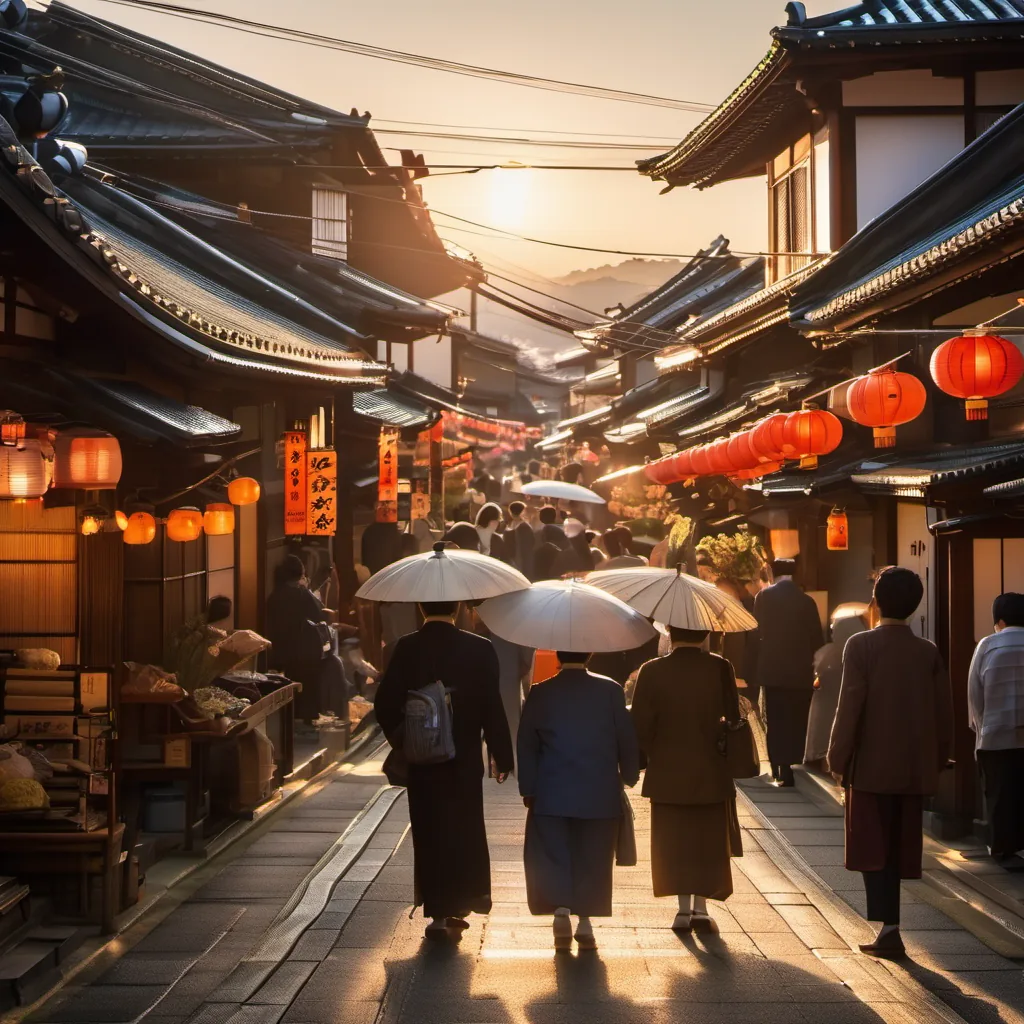
Cultural Immersion in Japan: A Journey Through Tradition and Experience
Japan is a land of rich traditions and vibrant culture, offering travelers an unparalleled opportunity for cultural immersion. From the serene tea ceremonies to the bustling local festivals, Japan invites you to dive deep into its heritage. This article explores various aspects of Japanese culture, providing key experiences that reveal the essence of this fascinating nation.
Traditional Arts and Crafts
Experience the Art of Calligraphy (Shodo)
Participating in a calligraphy (Shodo) workshop allows you to learn brushstroke techniques and create your own artwork. This traditional Japanese art form emphasizes precision and mindfulness. You will not only appreciate the beauty of each character but also the philosophy behind the practice, which encourages patience and focus.
Master Origami
Another hands-on experience is taking an origami class, where you can master the art of paper folding. This intricate craft can lead to beautiful designs, from delicate cranes to impressive samurai helmets. Learning origami teaches the importance of attention to detail and creativity, both of which are central to Japanese culture.
Culinary Experiences
Cooking Classes
Japan’s culinary landscape is vast and varied, extending far beyond sushi and ramen. Attend a cooking class to learn how to prepare authentic dishes like tempura and okonomiyaki, a savory pancake that is particularly popular in Osaka. This immersive experience not only teaches you cooking techniques but also the cultural significance of food in Japanese society.
Visit Nishiki Market
Visiting local markets, such as Nishiki Market in Kyoto, provides an excellent opportunity to sample regional specialties and interact with vendors. Here, you can taste everything from fresh seafood to traditional sweets, gaining insight into Japan's diverse culinary heritage. Markets are vibrant hubs of activity, showcasing local flavors and seasonal ingredients.
Spiritual and Religious Sites
Fushimi Inari Shrine
A visit to Fushimi Inari Shrine in Kyoto is a must for any traveler. Famous for its thousands of vibrant red torii gates winding up the mountainside, this shrine offers a spiritual experience that is both beautiful and serene. The hike through the gates provides a unique perspective on Japanese spirituality and reverence for nature.
Temples and Gardens
Exploring the temples and gardens of Kyoto, such as Kinkaku-ji (Golden Pavilion) and Ryoan-ji (Zen Garden), allows for quiet contemplation of Japanese aesthetics. Kinkaku-ji, covered in gold leaf, reflects its beauty on the surrounding pond, while Ryoan-ji's rock garden invites reflection and meditation. Both sites exemplify the harmony between architecture and nature, which is fundamental to Japanese culture.
Traditional Tea Ceremony (Chado)
Participating in a traditional tea ceremony, or Chado, offers profound insights into Japanese etiquette, aesthetics, and spirituality. The Urasenke school, founded in the 17th century, is one of the most prominent schools of tea ceremony. Each ceremony is a choreographed art form that emphasizes harmony, respect, purity, and tranquility. Attending a ceremony allows you to appreciate the meticulous attention to detail involved in this centuries-old practice.
Staying in a Ryokan
Staying in a ryokan, a traditional Japanese inn, provides an authentic experience of Japanese hospitality. Here, you can enjoy tatami mats, futon beds, and onsen (hot springs)—a quintessential part of Japanese life. A typical stay includes a traditional multi-course Kaiseki dinner, which can consist of 10-15 meticulously prepared courses, showcasing seasonal ingredients and artistic presentation. This experience deepens your understanding of Japanese dining culture.
Local Festivals (Matsuri)
Local festivals, or Matsuri, offer vibrant cultural experiences steeped in tradition. Often centered around Shinto shrines, these festivals feature traditional music, dance, and food stalls. The Gion Matsuri in Kyoto takes place throughout July and dates back to the year 869, showcasing elaborate floats and processions. Another notable event is the Awa Odori festival in Tokushima, which attracts over 1.2 million tourists annually during mid-August, celebrating traditional dance with lively performances.
Observing Sumo Wrestling
To gain a deeper understanding of Japan’s national sport, visit a sumo wrestling stable to observe morning practice sessions. Here, you can witness the rigorous training that these athletes undergo, consuming around 20,000 calories per day to maintain their size. Prior arrangements are typically required for such visits, making this a unique opportunity to experience an integral part of Japanese culture.
Learning Basic Japanese Phrases
Enhancing your interactions with locals can be as simple as learning basic Japanese phrases. Demonstrating respect for the culture by greeting people with "Konnichiwa" (hello) or expressing gratitude with "Arigato" (thank you) can significantly enrich your travel experience. Engaging with locals in their native language fosters connections and a deeper appreciation for the culture.
Conclusion
Cultural immersion in Japan offers a wealth of experiences that highlight the country’s rich traditions and modern expressions. Whether you're sipping tea in a serene garden, savoring a multi-course meal in a ryokan, or participating in local festivals, each moment contributes to a deeper understanding of Japan. Embrace the journey and let the beauty of Japanese culture unfold before you.
FAQ
Q: What is the best time to experience local festivals in Japan?
A: The summer months, particularly July and August, are popular for local festivals. Notable examples include the Gion Matsuri in Kyoto and the Awa Odori festival in Tokushima.
Q: How can I immerse myself in traditional Japanese culture?
A: Engage in activities such as attending a tea ceremony, taking a cooking class, or staying in a ryokan. Learning basic Japanese phrases can also enhance your experience.
Q: What is Kaiseki dining?
A: Kaiseki is a traditional multi-course meal that emphasizes seasonal ingredients and artistic presentation, often enjoyed during a stay at a ryokan.
Q: What are some key phrases to know in Japanese?
A: Basic phrases like "Konnichiwa" (hello) and "Arigato" (thank you) are great starting points for engaging with locals.
Q: How can I observe sumo wrestling in Japan?
A: To watch sumo practice, you typically need to make prior arrangements to visit a sumo stable. Check schedules in advance for the best experience.
Related articles
Cultural Immersion in India: A Journey Through Traditions and Experiences
Cultural immersion in India offers travelers an in-depth experience of the country's rich traditions and daily life. From homestays and cooking classes to volunteering and exploring local markets, each activity fosters a deeper connection with Indian culture.

Exploring the Best Islands for Swimming and Adventure Sports
Are you an adventure seeker looking for the ultimate getaway? If you love swimming , sports , and exploring the great outdoors, then this guide is for you! In this article, we’ll dive into some of the best islands around the world that offer breathtaking lagoon experiences, vibrant sea life , and exhilarating adventure sports. Get your outdoor gear ready, and let’s explore!

Choosing the Right Watercraft for Your Outdoor Adventures
When it comes to outdoor activities, few experiences rival the thrill of gliding across the water in your very own watercraft. Whether you're planning a serene day on the lake or an adventurous expedition down a river, selecting the right vessel is essential for maximizing enjoyment and safety. In this article, we’ll explore different types of boats , including canoes, rowboats, and other options, to help you choose the perfect one for your next adventure. !