Backpacking in the Himalayas: Tips and Tricks
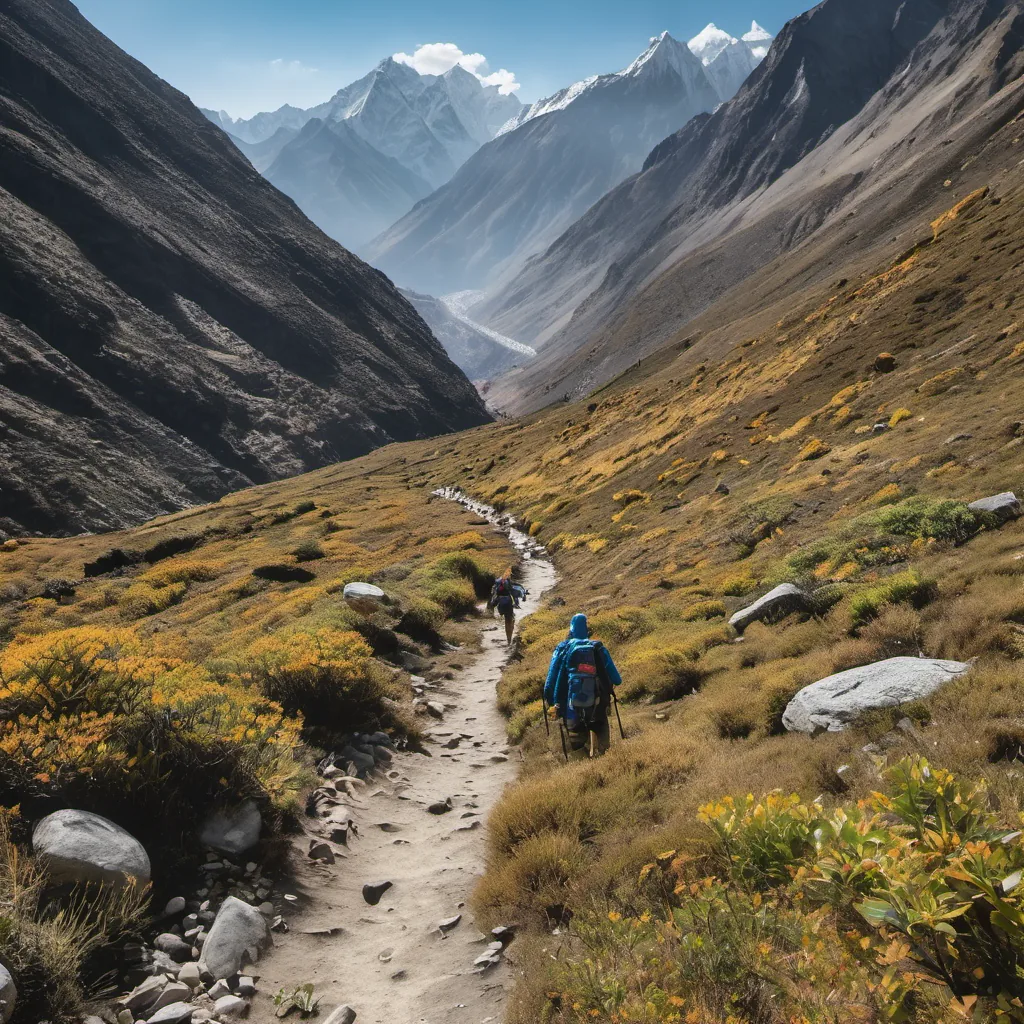
Backpacking in the Himalayas: Tips and Tricks
The Himalayas, with their towering peaks and breathtaking landscapes, offer some of the most rewarding trekking experiences in the world. However, exploring this majestic region requires careful planning and preparation. This article provides essential tips and tricks to help you make the most of your Himalayan adventure.
Pre-Trek Planning
Research and Choose Your Trek
Before you embark on your journey, it's crucial to research and select the right trek that aligns with your skill level and preferences. Key factors to consider include:
- Difficulty Level: Some treks, such as the Everest Base Camp Trek, are more challenging than others.
- Duration: The Everest Base Camp Trek typically takes 12-14 days to complete, while the Annapurna Circuit spans approximately 160-230 kilometers (100-145 miles) over 14-20 days.
- Altitude: Be aware that altitude sickness can occur above 2,500 meters (8,200 feet), so choose a trek that allows for proper acclimatization.
- Required Permits: Popular treks like the Annapurna Circuit require permits such as the Annapurna Conservation Area Permit (ACAP) and the Trekkers' Information Management System (TIMS) card.
Book Flights and Accommodation in Advance
During peak seasons, which include the pre-monsoon (March-May) and post-monsoon (September-November), flights and accommodations can fill up quickly. To avoid last-minute stress:
- Book your flights to gateway cities like Kathmandu or Leh well in advance.
- Secure lodging, particularly in Kathmandu, as it serves as a common starting point for many treks.
Essential Gear and Packing
Backpack and Clothing
Packing wisely can significantly enhance your trekking experience. Here are some essential items to include:
| Gear Item | Description |
|---|---|
| Backpack (50-70L) | A sturdy and comfortable backpack to carry your gear. |
| Waterproof Hiking Boots | Invest in boots with ankle support to handle rugged terrain and wet conditions. |
| Moisture-Wicking Clothing | Layered clothing that keeps you dry and comfortable in varying weather. |
| Down Jacket | A lightweight down jacket for warmth during cold nights at high altitudes. |
| Water Filter/Purification Tablets | Essential for ensuring safe drinking water on the trail. |
Navigation and Safety
When trekking in remote areas, having navigation and safety gear is vital for your well-being:
- Carry a map and compass or a GPS device for guidance.
- Include a first-aid kit for emergencies, as well as a satellite phone or personal locator beacon (PLB) for communication in case of emergencies.
On the Trail
Acclimatization and Health
To enjoy your trek and minimize the risk of altitude sickness, consider the following recommendations:
- Ascend Gradually: Aim to increase your sleeping altitude by no more than 300-500 meters per day above 3,000 meters. Take rest days as necessary to allow your body to adjust to the decreasing oxygen levels.
- Stay Hydrated: Drink plenty of water throughout the day. At high altitudes, dehydration can occur more quickly than at lower elevations.
- Eat Nutritious Meals: Fuel your body with energy-rich foods such as nuts, dried fruits, and local dishes like dal bhat (lentil soup with rice).
Respecting the Environment and Culture
Trekking through the Himalayas is not just a physical journey; it’s also a cultural experience. Here’s how you can show respect for local customs and the environment:
- Dress Modestly: When visiting religious sites, wear modest clothing to demonstrate respect.
- Ask for Permission: Always ask locals before taking photos, especially of people.
- Support Local Businesses: Purchase from local shops and dine at local restaurants to contribute to the community.
- Practice Leave No Trace Principles: Carry out what you carry in, and be mindful of your environmental impact.
Frequently Asked Questions (FAQ)
What is the best time to trek in the Himalayas?
The best time to trek in the Himalayas is during the pre-monsoon (March-May) and post-monsoon (September-November) seasons, when the weather is generally stable and the views are clear.
What should I do if I experience symptoms of altitude sickness?
If you experience symptoms of altitude sickness, such as headaches, nausea, or dizziness, it’s essential to descend to a lower altitude immediately and seek medical help if necessary.
How much does a trek in the Himalayas cost?
The cost of a trek in the Himalayas can range from $500 to $5,000 USD, depending on the duration, location, and level of service you choose.
Do I need special training for trekking in the Himalayas?
While no formal training is required, being in good physical shape and having some trekking experience can enhance your enjoyment and safety during the trek.
In conclusion, trekking in the Himalayas is an adventure like no other. With careful planning, the right gear, and a respectful approach to local customs, you can create unforgettable memories in this stunning region of the world. Happy trekking!
Related articles
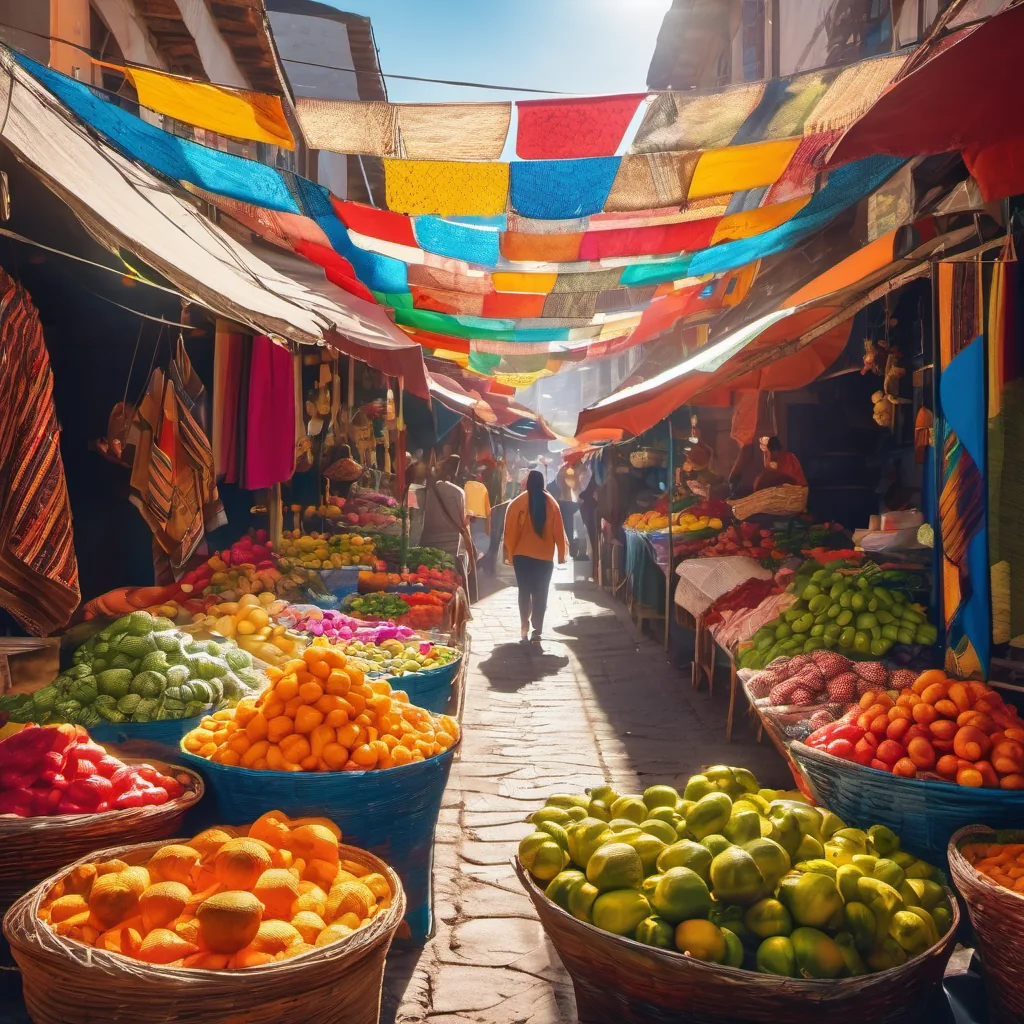
Solo Travel in South America: A Comprehensive Guide
Solo travel in South America offers a unique opportunity to explore diverse cultures and breathtaking landscapes. This guide provides essential tips on safety, budgeting, and must-see experiences for your journey.

Adventuring on Ice: A Guide to Driving Ice Roads
When it comes to adventure travel , few experiences can compare to the thrill of navigating ice roads. These unique routes, formed by the freezing of lakes and rivers, provide access to some of the most remote and captivating areas on the planet. One of the most famous ice roads is the Inuvik to Tuktoyuktuk route in Canada, which offers not just a passage but an unforgettable journey through the heart of the Arctic.
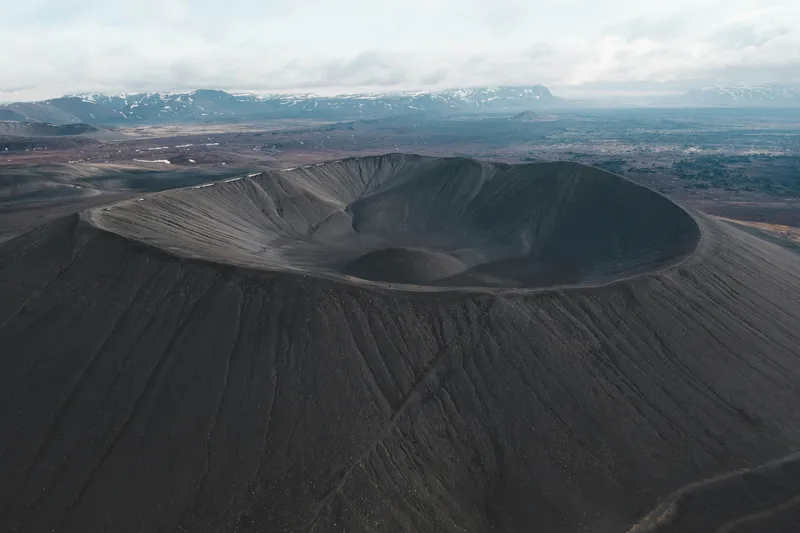
Essential Gear for Exploring Volcanoes: Adventure Awaits
Exploring volcanoes is a thrilling adventure that combines the beauty of nature with the raw power of our planet. Whether you’re traversing the rugged landscapes of active volcanoes or hiking the trails of dormant giants, having the right outdoor gear is essential for a safe and enjoyable experience. This article will guide you through the essential gear needed for volcano exploration , along with important safety tips to keep in mind while embarking on your adventure travel.